
CIPS L4M5 Practice Exams
Last updated on Oct 23,2026- Exam Code: L4M5
- Exam Name: Commercial Negotiation
- Certification Provider: CIPS
- Latest update: Oct 23,2026
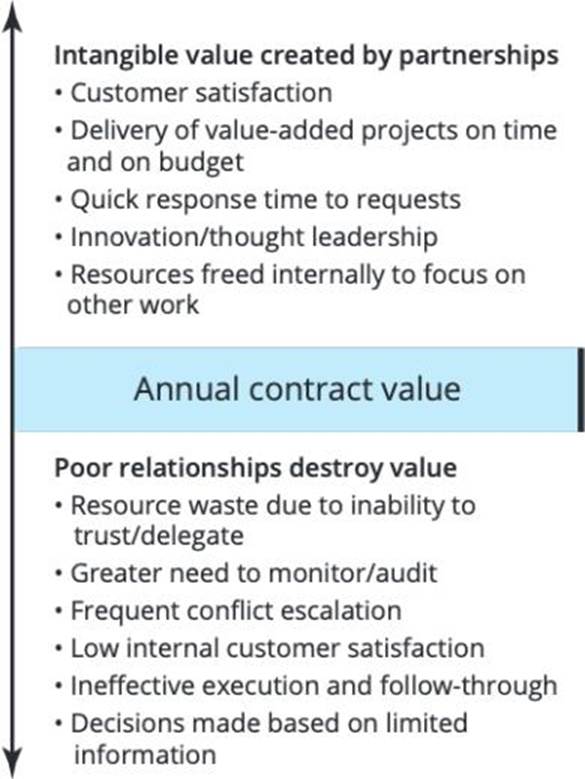
Which of the following are intangible values created by trust in business relationships? Select TWO that apply.
- A . Higher revenues
- B . Positive feedbacks from customers
- C . More focus on core business
- D . Increasing response time to request
- E . Frequent conflict escalation
B, C
Explanation:
Trust may create value as following:
LO 1, AC 1.4
Fast & Easy Limited, a global fast food retailer, is in a negotiation with its major meat supplier. The supplier is asking for a 2% price increase, which Fast & Easy is strongly resisting. The supplier justifies this increase by stating that currency fluctuations, an unstable economic climate, and rising transport costs have necessitated this increase.
Which influencing tactic is the supplier using?
- A . Rational persuasion
- B . Inspirational appeal
- C . Coalition
- D . Personal appeal
A
Explanation:
The supplier is using Rational persuasion by providing logical reasons, such as economic conditions and increased costs, to justify the price increase. This approach uses factual information to influence the buyer’s decision, aiming to present the price hike as a reasonable adjustment, which aligns with CIPS strategies on influencing tactics in negotiations.
A supplier’s mark-up on all products is 25%. Supplier’s profit margin is…?
- A . 20%
- B . 30%
- C . 75%
- D . 15%
A
Explanation:
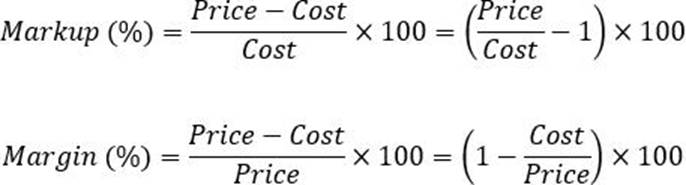
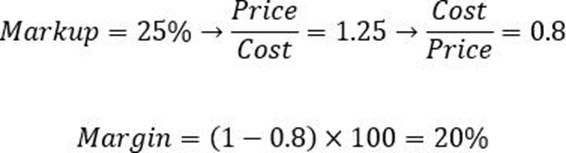
LO 2, AC 2.1
If a negotiation results in an offer which does not meet the buyer’s minimum requirements, which of the following could the buyer pursue?
- A . PESTLE
- B . BATNA
- C . ZOPA
- D . STEEPLE
B
Explanation:
Best alternative to a negotiated agreement (BATNA) is the plan B or back-up plan in the event of a ‘walk away’. In case of no deal, buyer (or supplier) may switch to this option.
The zone of potential agreement (ZOPA) is considered an area where two or more negotiating parties may find common ground. It is this area where parties will often compromise and strike a deal. In order for negotiating parties to find a settlement or reach an agreement, they must work towards a common goal and seek an area that incorporates at least some of each party’s ideas.
STEEPLE offers an overview of various external fields. It is an acronym for Social, Technological, Economic, Environmental, Political, Legal and Ethical.
PESTLE is a mnemonic which in its expanded form denotes P for Political, E for Economic, S for Social,
T for Technological, L for Legal and E for Environmental. It gives a bird’s eye view of the whole
environment from many different angles that one wants to check and keep a track of while
contemplating on a certain idea/plan.
LO 1, AC 1.2
Which of the following are most likely to help buyer become preferred customer in supplier’s perspective? Select TWO that apply.
- A . Onerous supplier terms and conditions
- B . Compliance with agreed repair lead time
- C . Shorter payment period
- D . Reduction in delivery errors
- E . Ensuring an increased number of repeat orders
C, E
Explanation:
Becoming a preferred customer to supplier’s perspective can increase the purchaser’s leverage in negotiation.
Beside the size of buying organisation or its spend, the following may be sufficient to differentiate the buyer from other buying organisations:
– Simple procurement processes
– Simple contracting processes
– Clear and concise documentation
– Absence of onerous supplier terms and conditions (onerous supplier terms and conditions mean that obligations imposed on suppliers are greater than their gains)
– On-time payment: The reduction in hassle for both supplier and the buyer, if bills are paid on time, is significant. From the customer’s perspective it could also be the opener to agreeing preferential payment terms. A supplier may weigh up that payment on time at 60 days is worth taking, over the current 30-day terms that slip to 90 days and beyond.
– Transparent processes
– Ethical behavior
LO 1, AC 1.3
A purchasing manager is having a negotiation with a supplier to extend the duration of the contract. In order to persuade the supplier to cut the cost by 10%, she promises to shorten the payment period from 45 days to 30 days for each delivery. The supplier’s representative does not agree the offer and clearly states that his proposed price is already lower than the market price.
The purchasing manager has used which type of power?
- A . Reward
- B . Expertise
- C . Coercive
- D . Informational
A
Explanation:
In the scenario, to exchange cost cutting, the purchasing manager promises to ‘reward’ supplier shorter payment period. This is an example of reward power, which results from one person’s ability to compensate or reward another for compliance.
The reward does not need to be money, but could be introduction to other buyers in the group, positive references, agreement to trial new product, quicker payment or indeed any other variable that the buyer knows is attractive and valued by the supplier.
In general, which of the following is the consequence of a flatter demand curve?
- A . Quantity elastic
- B . Price elastic
- C . Price inelastic
- D . Unit price elastic
B
Explanation:
Elasticity refers to the responsiveness of quantity demanded or quantity supplied to a change in price or another factor.
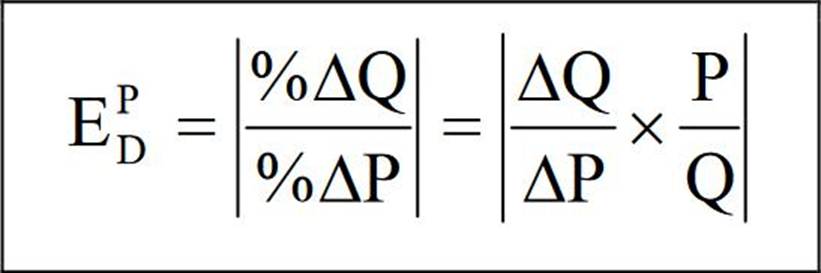
In microeconomic graphs, elasticity and inelasticity can be shown by the slope of the demand curve. If a demand curve is almost horizontal, then the product pricing can be described as very elastic. If a demand curve is almost vertical, then the product pricing can be described as very inelastic. The formulae of elasticity:
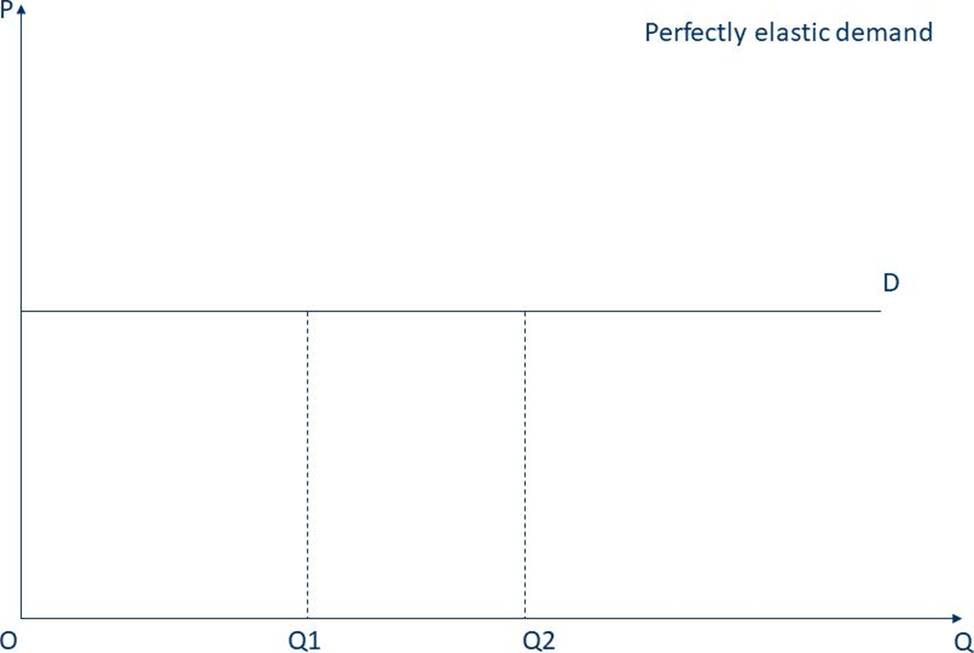
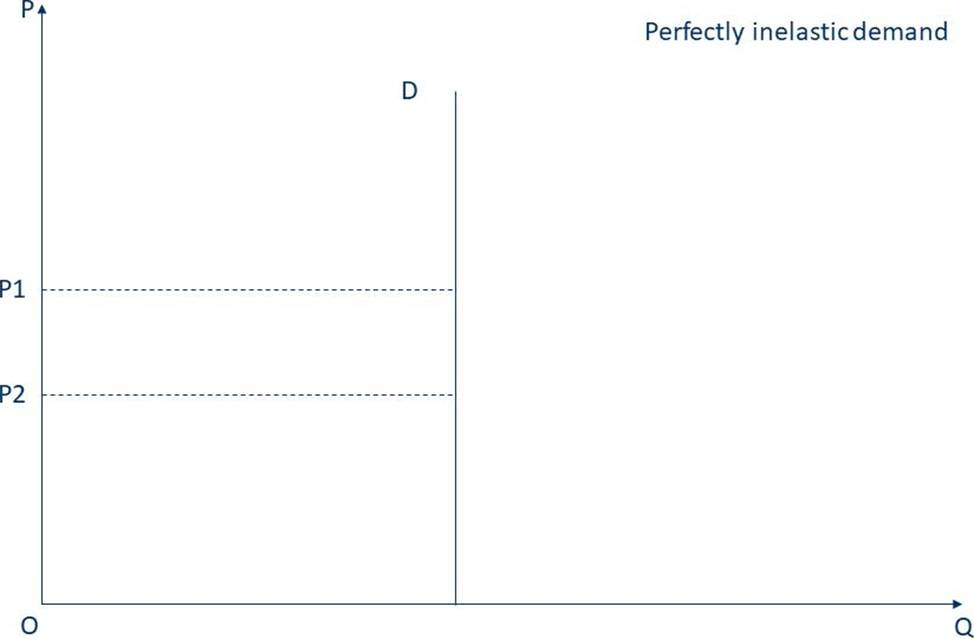
LO 2, AC 2.2
In general, which of the following is the consequence of a flatter demand curve?
- A . Quantity elastic
- B . Price elastic
- C . Price inelastic
- D . Unit price elastic
B
Explanation:
Elasticity refers to the responsiveness of quantity demanded or quantity supplied to a change in price or another factor.
In microeconomic graphs, elasticity and inelasticity can be shown by the slope of the demand curve. If a demand curve is almost horizontal, then the product pricing can be described as very elastic. If a demand curve is almost vertical, then the product pricing can be described as very inelastic. The formulae of elasticity:
LO 2, AC 2.2
It may be more difficult to buy on a credit from supplier who locates in a country with a hyperinflation? Is this assumption true?
- A . No, because supplier’s bank will take risks from currency fluctuation
- B . Yes, because the supplier’s currency will lose its value overtime
- C . Yes, because buyer has more advantage if they make payment in their own currency
- D . No, because the higher the inflation rate, the stronger the supplier’s currency
B
Explanation:
If the inflation rate is running high, then obtaining credit as a buyer is normally more difficult or expensive as money in the future will be worth less than money today.