
Scrum PSPO-II Practice Exams
Last updated on Oct 22,2026- Exam Code: PSPO-II
- Exam Name: Professional Scrum Product Owner II
- Certification Provider: Scrum
- Latest update: Oct 22,2026
Which statement best describes the Sprint Review? Choose the best answer
- A . An opportunity to inspect the outcome of the Sprint and determine future adaptations
- B . A demonstration of functionality completed in the Sprint
- C . An inspection of the work completed by the Developers in the Sprint
Why should there be only one Product Owner per product? (choose the best answer)
- A . It is clear for the accountable person for the success of the product. The Developers acknowledge who determines priorities, and it helps to improve communication and make decisions faster.
- B . It’s more effective to have more than one Product Owner per product.
- C . The Product Owner is not actually needed for the product.
- D . The Developers know who they can request tasks from, and they can determine who manages the
development’s work.
During the product’s development effort, the market for which the product is being built has changed and evolved.
What should you do? (choose the best answer)
- A . The Product Backlog should remain unchanged. Move the product to a more suitable market as you have already made investments in product development.
- B . Make changes to the Product Backlog to reflect what is needed to deliver the most value
- C . There is no impact as the commitment is to deliver on the approved project plan.
- D . Replace the current Product Backlog with a new Product Backlog that fits the updated market.
When does an individual Developers member can take full ownership of a Sprint Backlog Item? (choose the best answer)
- A . Never. The Sprint Backlog Items are owned by the whole the Developers, though each Sprint Backlog Item could be done by an individual Developers member
- B . During the Sprint Retrospective, this is the event in which an individual Team Member can request full responsibility for a Product Backlog Item.
- C . During the Daily Scrum
- D . After the product owner and the stakeholders discuss the budget, market and future plans for the next Sprint at the end of the Sprint Review.
- E . Whenever a team member thinks that more work can be accommodated.
When there are multiple Scrum Teams working on the same product, each team should demonstrate its individual Increment in a separate branch of the code.
- A . False
- B . True
Product A has a budget that is twice that of Product B. Both serve the same set of customers.
Does Product A create more value for the customers than Product B? (choose the best answer)
- A . Yes, because with more funding it can address a broader set of customer needs.
- B . We do not know unless we actually measure customer experience
- C . No; Product B may better meet the needs of customers by focusing more narrowly
Conduct an experiment could help the Product Owner to : (select ALL that apply)
- A . Make precise decision on investment
- B . Understand if a product’s product/market fit and business viability
- C . Have full certainty as to a product’s potential success.
- D . Reduce waste
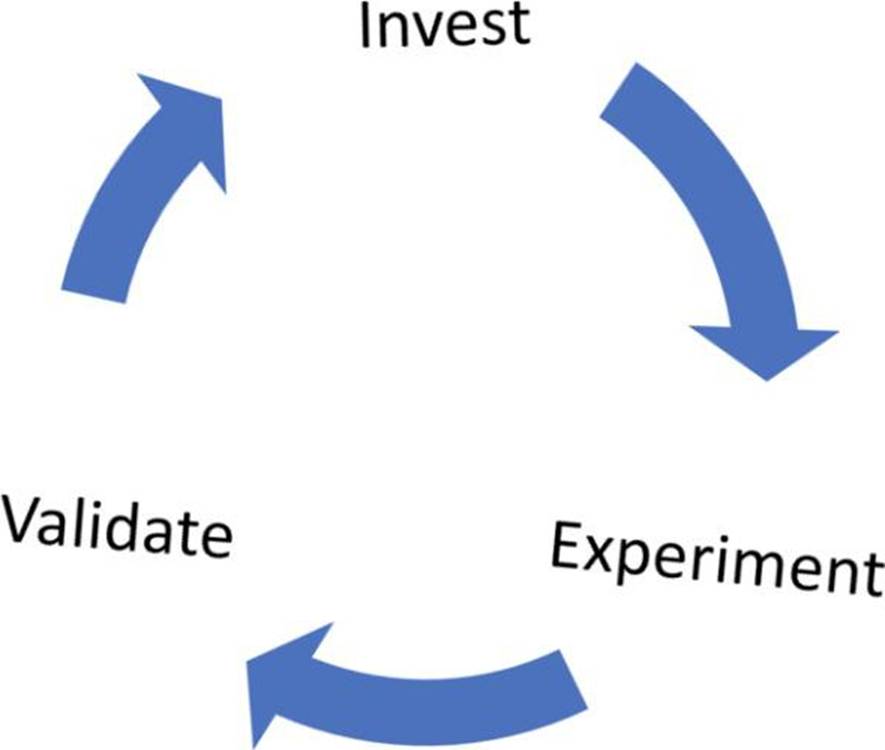
Your stakeholders are very demanding and each of them has at least one feature that they say is essential for the next release. As the Product Owner, you have validated that the feature requests are all valid requests and would likely add value to your product.
What should you do? (Choose the best answer)
- A . Pick the two most influential stakeholders and satisfy their needs, then release.
- B . Wait until all essential features are complete before releasing the product.
- C . Escalate to the steering committee to make the call.
- D . Release when you can satisfy at least a single outcome, even though not all features are
implemented.
True or False: Should the Product Owner care about the dependencies between software or tools?
- A . False
- B . True
What are the benefits of Scrum being used as an agile strategy? (choose the best answer).
- A . Managing the business’ exposure to risk.
- B . Managing team member utilization.
- C . On-time deliver of fixed scope.
- D . Increasing team velocity.
- E . All of the above.